Posts
Flesh
A portrait of disconnection.
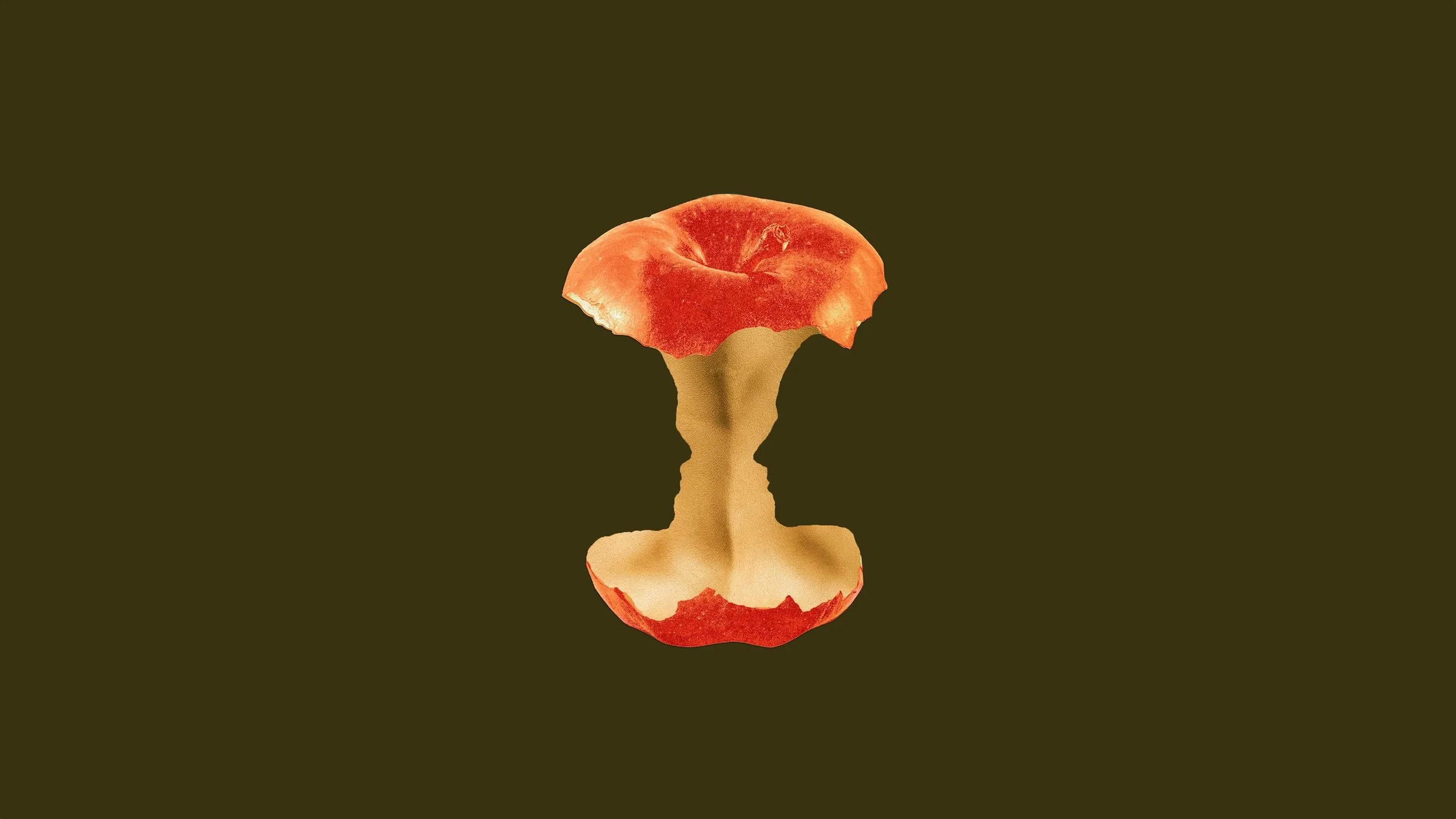
David Szalay’s Flesh won the 2025 Booker Prize. The title Flesh conjures up nihilism or hedonism, neither of which particularly appeals to me. So, it’s taken a while to overcome that barrier and read the novel. Flesh is not nihilist or hedonistic. And much of the commentary about the novel gets it wrong. Reviews have focused on the ‘minimalistic’ prose, the overly ‘passive’ protagonist, and the frequent use of one word dialogue, like ‘okay’ and ‘yeah’.
After reading the novel, I can say that the text does have some elaborate prose, so it’s not as minimalist as people might imagine. And when the flourishes happen they feel slightly incongruous next to the sparse dialogue, but it does provide a contrast. The accusation of the story having a ‘passive’ protagonist is a bit weird. The protagonist is an ordinary man, a ‘regular guy’ with faults. He is unlucky in some ways, lucky in others. He has anger management issues and he doesn’t appear to be in touch with himself. He’s traumatised by life. The one word dialogue does become repetitive, even if it’s there to illustrate human disconnection.
The long time span, aspects of the prose style, and the use of condensed vignettes reminds me of Jon McGregor’s Reservoir 13. The sexual and self-discovery dimension has echoes of Stephen Vizinczey’s novel In Praise of Older Women (which is also about the life of Hungarian man). One final comparison is the human journey in Milan Kundera’s The Unbearable Lightness of Being.
So, what is Flesh? It’s the story of a man’s life, from adolescence to middle age. The narrative provokes questions about life choices and living a meaningful life.
The Overnight Story
A journey into a strange land.
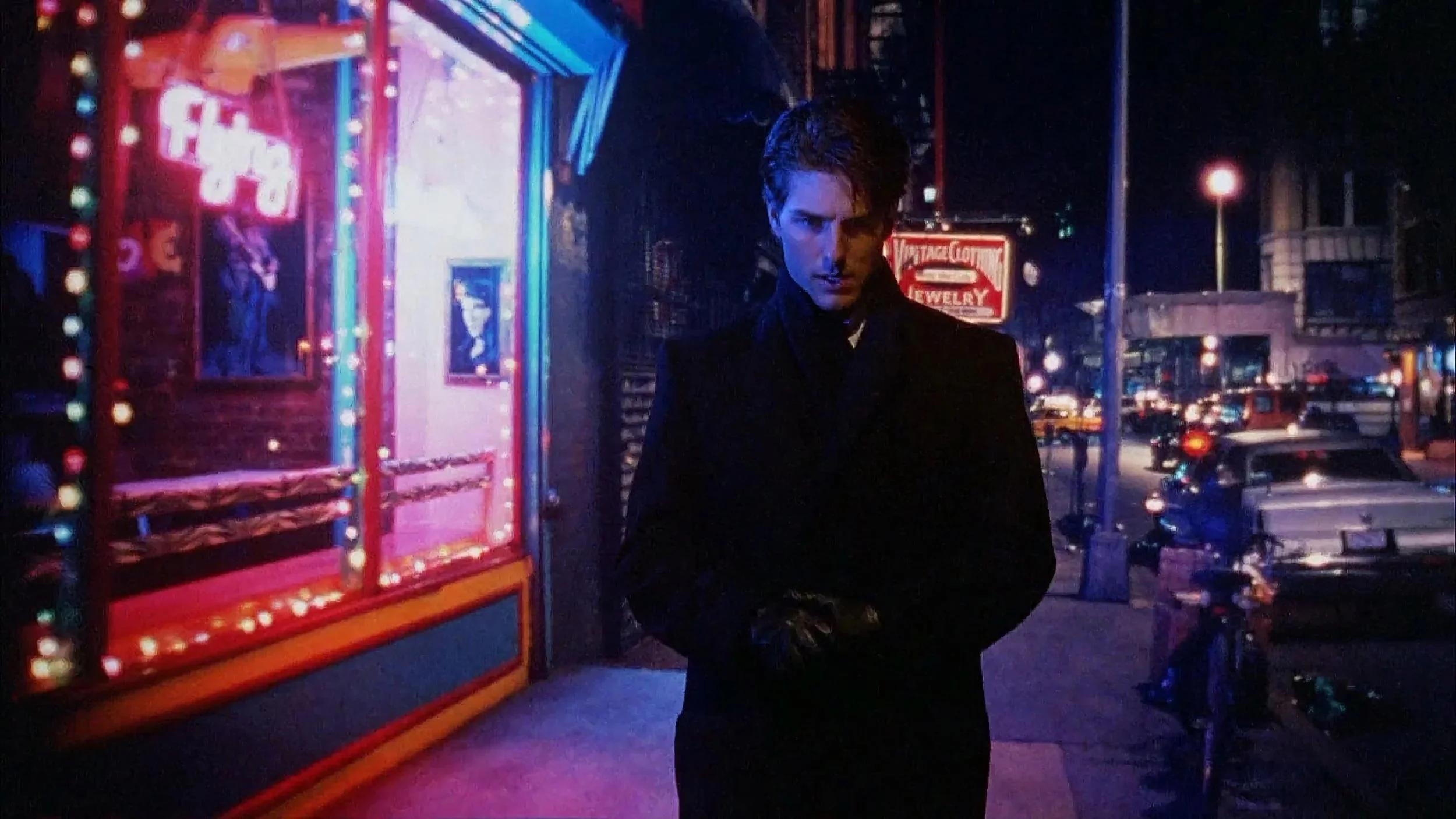
The overnight story is a journey into a strange land. It’s the same place as the daylight world but magically transformed by darkness into a new reality. This shadow world has its own rules and possibilities. It’s a place where the protagonists will face their fears. They will encounter wonderful, strange – and often terrifying – characters. They will be forced into a new understanding of reality. The compressed format of the overnight story works perfectly in films. It’s less optimised for the expansiveness of novels.
Time is ticking. As surely as day turns to night, dawn will arrive in the morning. The protagonist must survive the night. And, if they have a quest – they must achieve it before sunrise.
In the overnight story, adolescents will find meaning, love and friendship in films like The Myth of the American Sleepover, Before Sunrise, Dazed and Confused, and American Graffiti. Monsters will emerge in Night of the Living Dead and From Dusk Till Dawn. A hostage crisis will be resolved in The Taking of Pelham One Two Three and Die Hard. A traitor will be avenged in The Long Goodbye. An unpalatable truth will emerge in Who’s Afraid of Virginia Woolf? Enemies will be defeated in The Warriors. A safe middle-class existence will be turned upside down in After Hours and Eyes Wide Shut. The occupants of a police station will survive the night in Assault on Precinct 13.
When morning comes, the world will be the same again, but the protagonists will be changed forever.
Send Help
Winning at any price.
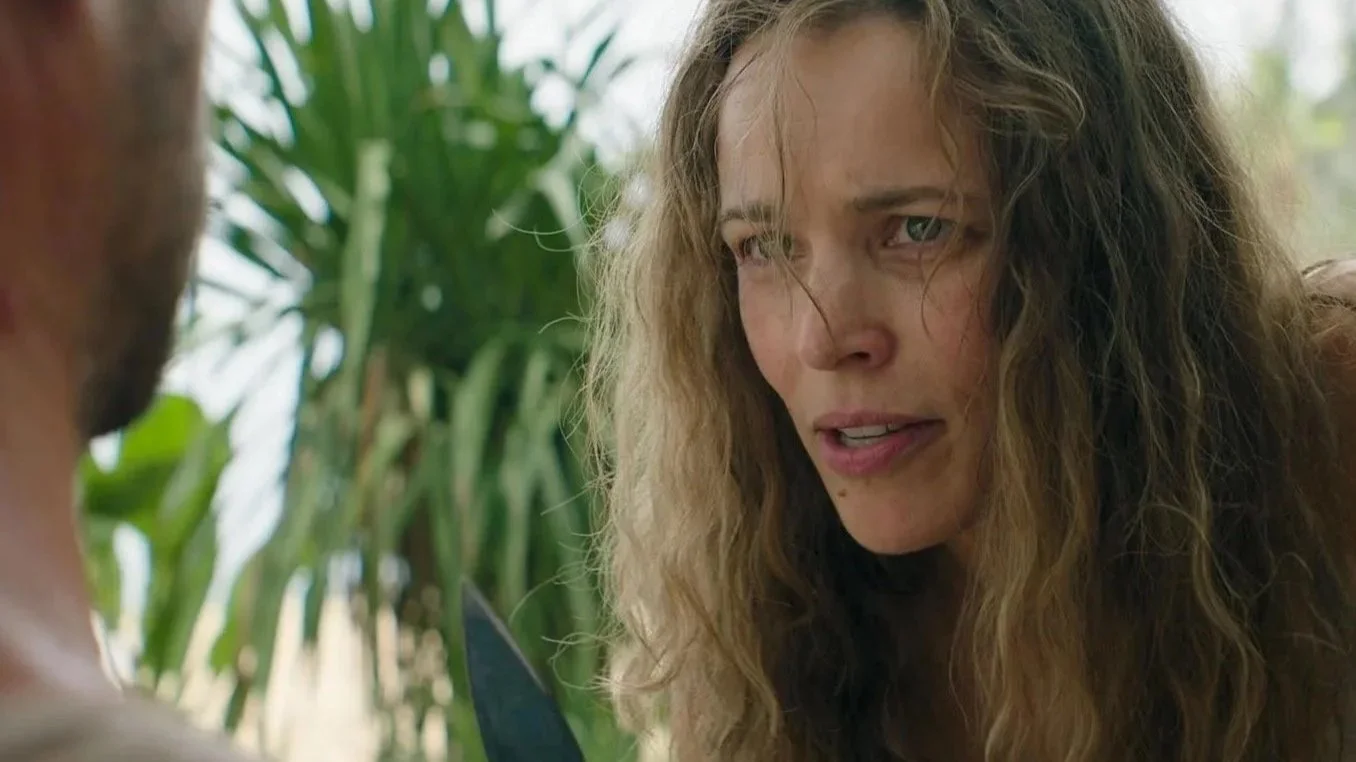
Send Help is a survival horror, an underdog revenge story and an ‘eat the rich movie’, where the ordinary protagonist exacts punishment on ‘the elite’.
When an overlooked female office worker, in a cliquey, male dominated workplace, survives a plane crash and wakes up on a Pacific island with her douchebag boss, she sees the opportunity to take revenge and regain control of her life.
The story combines office politics with the outdoors, island survival narrative. The tone is a mix of horror thriller and dark comedy. The comic element is critical in binding the story together. It adds an extra dimension to the story as well as providing a framework that excuses the plot extravagances as well as the protagonist’s dubious morality. In terms of the one line pitch it’s Cast Away meets Misery.
Slow Horses
Sidelined spies find redemption.
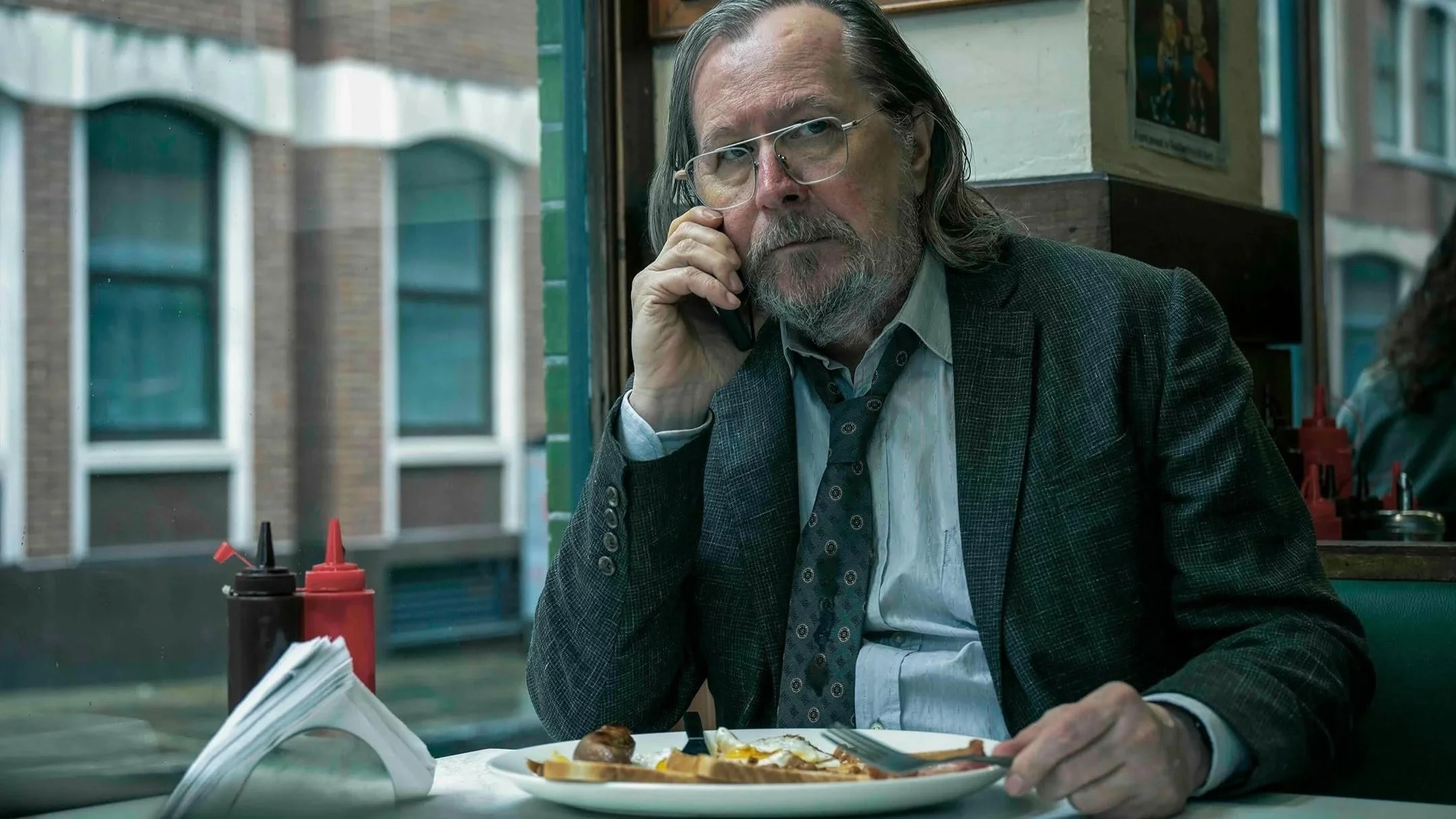
Mick Herron’s 2010 novel Slow Horses is the first novel in a twelve book series. It’s also been adapted into a successful Apple TV series. If Len Deighton’s The Ipcress File is about class, Slow Horses is about misfits surviving work politics.
Where The Office poked fun at the workplace, Slow Horses explores it with a cynical dark humour. There’s an assortment of eccentric characters, including a disheveled departmental boss who eats heart-attack food, has disgusting personal habits, and throws in the occasional politically incorrect comment.
The key to Slow Horses is the bad luck character origin story and rooting for the underdog.

The Housemaid
An opportunity becomes a nightmare.
Freida McFaddens’s The Housemaid is a tense psychological mystery with a great plot twist. It’s an accessible, fun read. The movie is out and it is equally entertaining.
The story plays with genre conventions – working with and also subverting them. It’s a fresh take on The Girl on the Train meets 90s psychological mysteries. There’s also a contemporary #metoo vibe.
The Dog Stars
A reassuring message for troubled times.
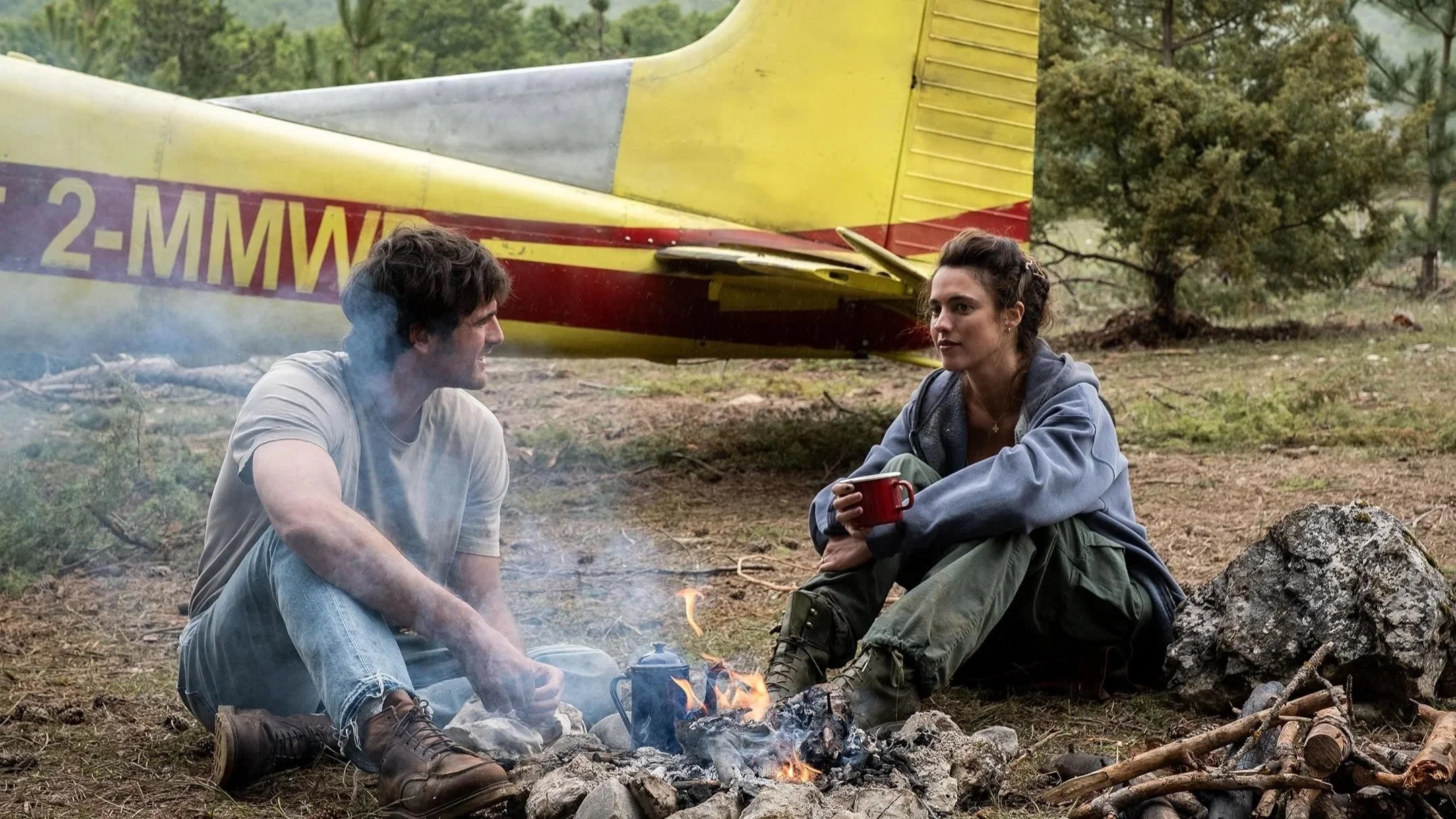
Peter Heller’s The Dog Stars has that rare quality of combining a literary fiction feel with genre style action. The story is a thematic mix of the American outdoors and survivalism contextualised with the protagonist’s inner reflection and his search for personal meaning in a post-apocalyptic world. It’s also a canine companion story.
The audio book’s narration is really great (it’s read by Mark Deakins). The film adaptation of The Dog Stars is slated for an August 2026 release. The movie is directed by Ridley Scott.