Posts
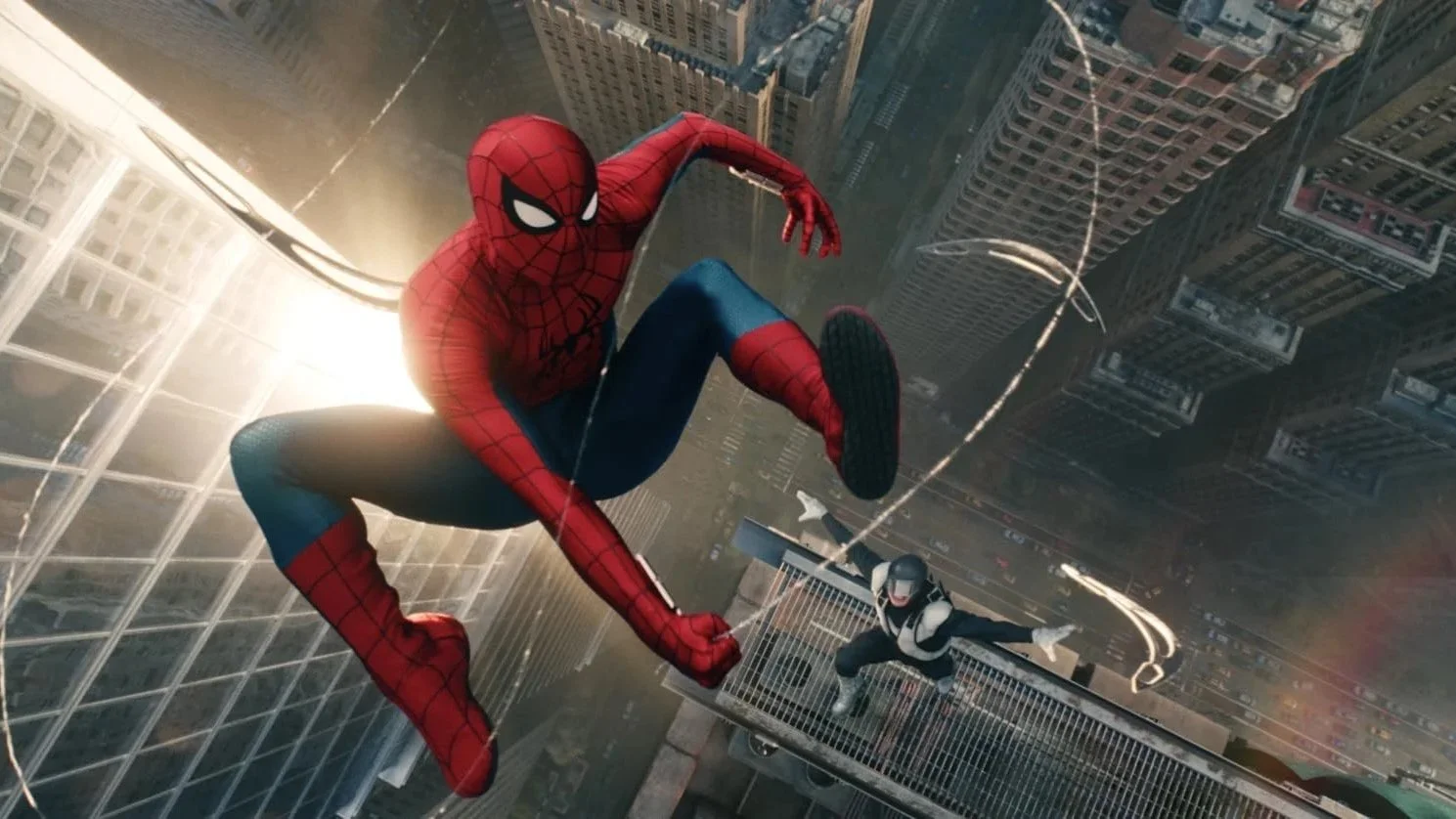
The American Hero
Classic hero. Anti-hero. Superhero.
America is often perceived to be a ‘can do’ society, where people admire those with the ability to shape the world around them. This is the basis of the American hero. In essence, the American hero is ‘the good guy’ fighting the baddies. The hero makes the world a better place. The baddies are a mirror of the hero. They are also able to change the world, but they make the world a worse place. Their scheming or violent actions bring suffering and injustice to people. The baddies are motivated by greed and power. The hero succeeds and the baddies fail.
In the 1920s, action packed serials were shown in theatres. The heroes were part Robin Hood, part swashbuckling hero. They were bored aristocrats looking for adventure, heroic explorers, clever detectives, or handsome cowboys. Fantastic characters like Tarzan. Space adventurers like Flash Gordon and Buck Rogers. These heroes were often based on popular comic strips. They were idealised – all knowing, intelligent, strong, and handsome. The serials reflected the prosperous, upbeat tone of the Jazz Age. Shows like The Phantom Empire acted as outlets of this energy and optimism. The show was a musical, science fiction western with robots and singing cowboys.
The Great Depression of the 1930s changed how America saw itself and dented its confidence. The nation’s tone changed from jubilation to cynicism. The lighting and cinematography darkened. In this shadow world the 1930s gangster movie was popularised. The good cop fighting greedy and cruel gangsters within a violent and corrupt city. The gangster movie reflected the America of the 1930s, a macho, ‘dog eat dog’ world where only the tough survived.
During the 1940s and the Second World War, the American hero was duty bound to fight for the nation. Marines and cowboys represented the American rugged individual, restoring law and order to the world. In parallel, the cartoon-like gangster movie morphed into the more nuanced Film Noir. The main characters reflected a more cynical atmosphere. They went from cardboard cutout heroes into ordinary people, often the victims of crime and social manipulation.
The 1950s saw a continuation of the War Movie, Westerns, musicals and comedies. These increasingly felt overly commercial and divorced from reality. The men who returned from the war were not the cardboard cutout heroes society expected. Their children often felt disconnected, angry, and neglected. In the 1960s and 70s, a new counterculture emerged. The counterculture questioned assumptions about American society. These stories were populated by flawed protagonists… anti-heroes. Instead of being able to change the world, they were victims of it. The ‘good cop’ was now tainted by corruption or overwhelmed by corruption within the system. Revisionist Westerns portrayed cowboys as the aggressors and the Native American Indians as the innocent victims. In Serpico (1973) a good cop survives a corrupt police department.
After the oil shortages and the economic shocks of the 1970s, the American hero became a survivor. The cops became tougher, surviving a rotten bureaucratic system that didn’t care about truth or justice. The cop in Dirty Harry (1971) fights serial killers and the system he is working for. The American hero was also a survivor of the Cold War, living in post-apocalyptic landscapes or alien planets. But, by the end of the 1970s, the economy was beginning to pick up. People wanted something upbeat and optimistic, and they found it with Star Wars (1977).
In the 1980s, American returned to the business of making money. The stock market boomed. The nation regained its confidence. Audiences responded to the optimism with the return of the idealised American hero, a celebration of American potency. The new heroes were cops or ex-Special Forces. They fought drug gangs, terrorists, or aliens. The cops were honest and making audiences laugh in buddy movies.
The economic downturn of the 1990s, the Dot-Com Bubble and the financial crash made people question the system again. The heroes reflected this uncertainty. The hero turned into more of an anti-hero, protagonists participating in crime, female heroes who operated differently to their male counterparts, heroic tragedies like Titanic (1997) and technological dystopias like The Matrix (1999). David Fincher’s Seven (1995) personifies the 90s hero. Not quite in control, facing insurmountable horrors – a sign of things to come a decade later.
The 2000s saw the rise of the hero in a gritty, dark and sometimes surreal world. Fighting serial killers, fighting monsters in fantastic landscapes, or operating in a dark version of reality. The Dark Knight (2008) took the darkness and realism of Seven and combined it (much like the 1930s serials) with a classic comic strip hero… Batman. And in doing so, it became a precursor to the massive superhero revival. The big IP franchises born in the 2000s would go on to power the 2010s. While not especially ‘American’, as context these included Harry Potter (2001) and The Fellowship of the Ring (2001).
The 2010s saw the domination of the big IP franchise, comic superheroes, and reimagined film universes like Star Wars and Jurassic Park, often with girlboss female leads like Mad Max: Fury Road (2015).
The 2020s saw the pandemic, the rise of Netflix, and #metoo. Doubts about the health of American society have been reflected in movies. Does America still believe in itself enough to produce heroes? What is America without its heroes? Hollywood tried to reassure audiences with Top Gun: Maverick (2022), while usurping the traditional male hero with gender swaps and girlboss films like Mad Max: Furiosa (2024), culminating in the rise of the dark superhero or anti-superhero character.
The American hero is a manifestation of both confidence and social anxiety, appearing in two basic forms. One – the classic hero, an idealised person who is able to change the world around them, making it a better place. Two – the anti-hero, flawed, morally grey, shaped by the world around them and imprisoned within their own limitations. Superheroes are either classic heroes or anti-heroes, but with god-like powers.
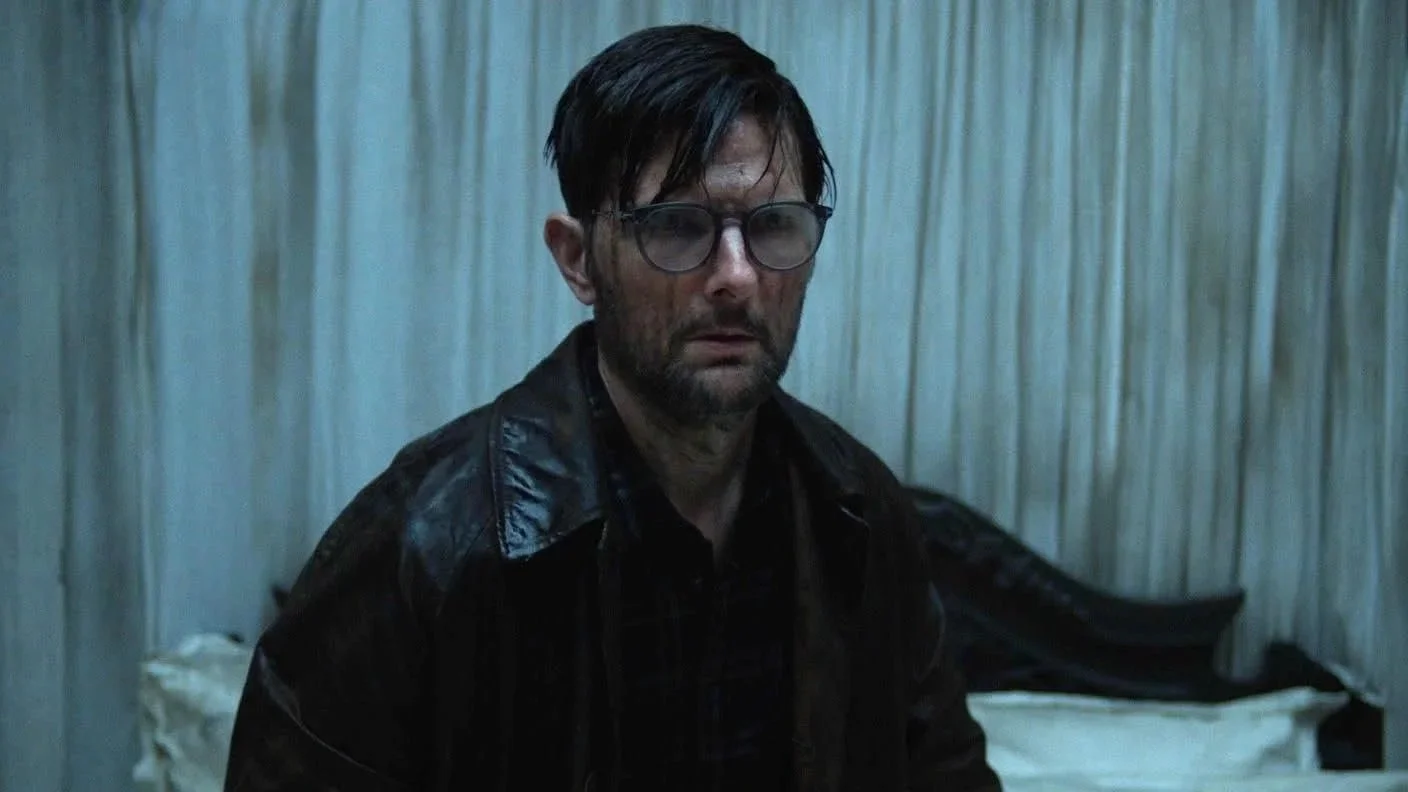
Hokum
A trip down memory lane.
With a relatively small budget of $5 million, the film succeeds in not looking like a budget production.
I was expecting Hokum to be a straightforward night in a haunted house kind of story, but there’s more to it than that. As a horror film, it delivers on those creepy moments and jump shocks. But, it’s also a ‘psychological story’ – a protagonist coming to terms with a childhood trauma.
The ‘psychological story’ is one where objective reality blurs with a subjective experience, fear and paranoia. What is real and what’s in the protagonist’s mind? Sometimes, the truth is revealed. In other stories, the blur of uncertainly is never resolved.
The danger of a big reveal is that it can be a big disappointment. On the other hand, leaving it open and uncertain can feel ‘lazy’ and non-committal. If the writer can’t be bothered to resolve the story properly – why should we care?
Stories are about change. The protagonist must change in order to make the story satisfying. Without that shift, the resolution is less likely to grab us. It’s more likely to leave us unsatisfied. Hokum’s psychological focus keeps us guessing, but it comes at a price. What it gains in nuance it loses in the certainty that Ohm Bauman has convincingly changed.

The End of Everything
The mysteries of life and change.
The End of Everything (2026) is a literary science fiction novel by M John Harrison. It’s been longlisted for the 2026 Booker Prize.
In the story, Phillip Tennent lives by the sea in an impoverished future Britain. Communication with mainland Europe has broken down. New life forms exist in the sea. He ekes out a living by scavenging washed up objects and strange lifeforms from the sea shore.
The novel is a post-Brexit story, much like The Wall (2019) by John Lanchester, and Doggerland (2020) by Ben Smith. These three novels involve the sea, an isolated Britain, and a post-apocalyptic future.
The End of Everything is a work of literary science fiction. Where genre science fiction demands logical rules and a payoff with an explanation, literary science fiction keeps the world building relatively vague, focusing instead on the language and experience of the characters within that world.
In The End of Everything the narrative inhabits a dreamlike state. Part magical realism, part surreal metaphor. The lack of specificity enhances its mystery. It allows the story to operate as a cypher, a metaphor that’s open to interpretation. The world of the story operates in what feels like a surreal purgatory, a twilight world with sea dwelling lifeforms that have undergone a magical transformation, a rebirth even.
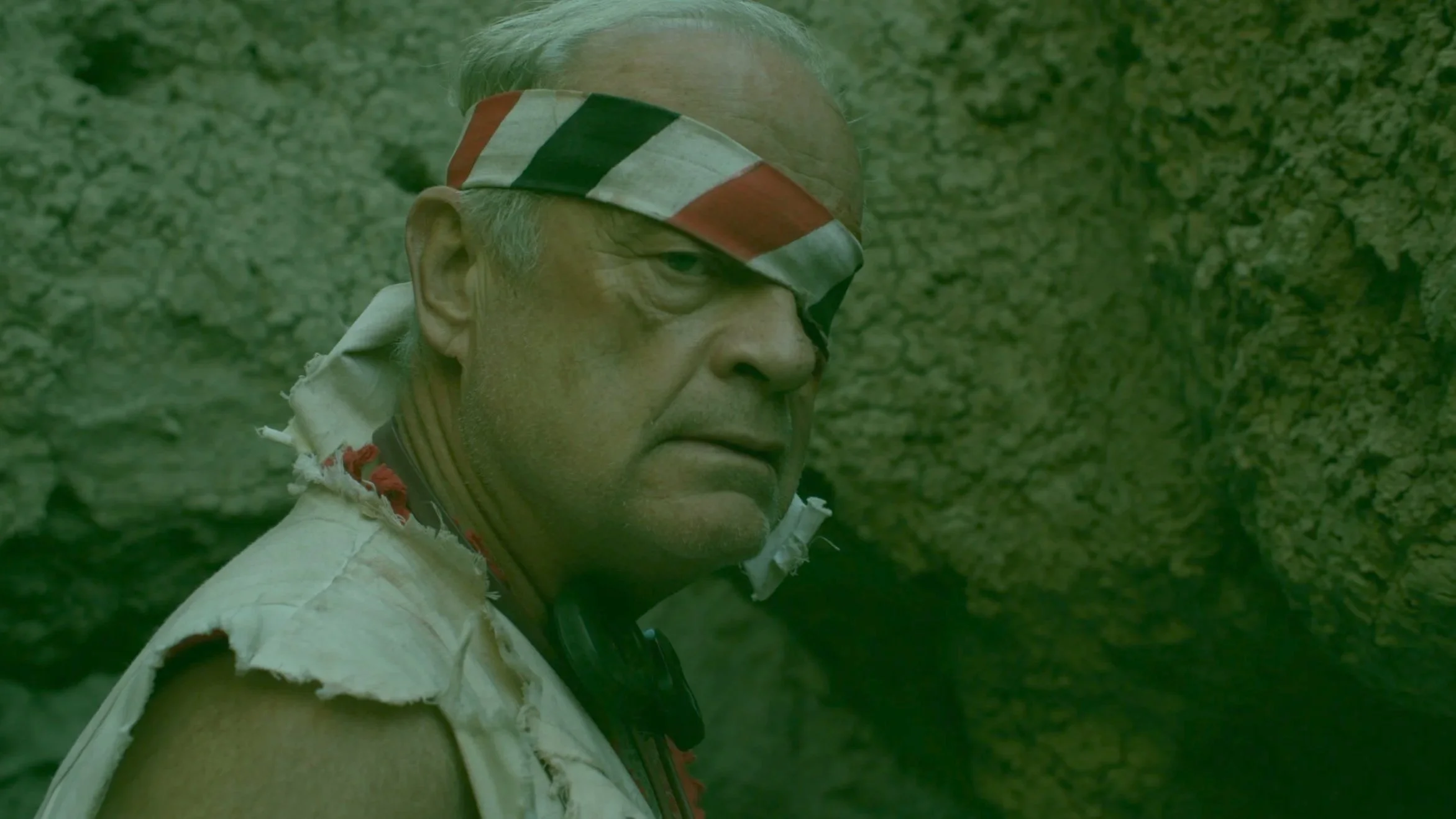
Lars Shrike Walks the Night
A spaceman on a strange planet.
Somewhere in a distant galaxy… the protagonist of what looks like a 1970s era science fiction film wanders around the empty desert of a prison planet. He is desperate to escape but, suffering from amnesia, he must first work out who he is. Is he the product of a failed space experiment, a clone, or something worse?
Lars Shrike Walks the Night is Stranger Than Fiction meets K-PAX. The story explores the strange relationship between writers’ and their characters. The film examines reality, identity, and existence.
There are echoes of Vanilla Sky, The Truman Show, Fight Club, Total Recall and Shutter Island. All these stories ask the same two questions. Who am I? What is real?
So, who is Lars Shrike?
Kelsey Grammer plays Lars Shrike in this low budget science fiction film written and directed by Gary Walkow. I was expecting a classic redemptive story – a homeless amnesiac rediscovers his previous life. But, Lars Shrike Walks the Night takes a slightly different angle and does it with subversive humour.
Backrooms
A nowhere life leads to a nowhere place.
Backrooms (2026) is a psychological horror. The film is directed by Kane Parsons, who previously worked on YouTube shorts. He has faithfully adapted his YouTube ‘backrooms’ videos for cinema.
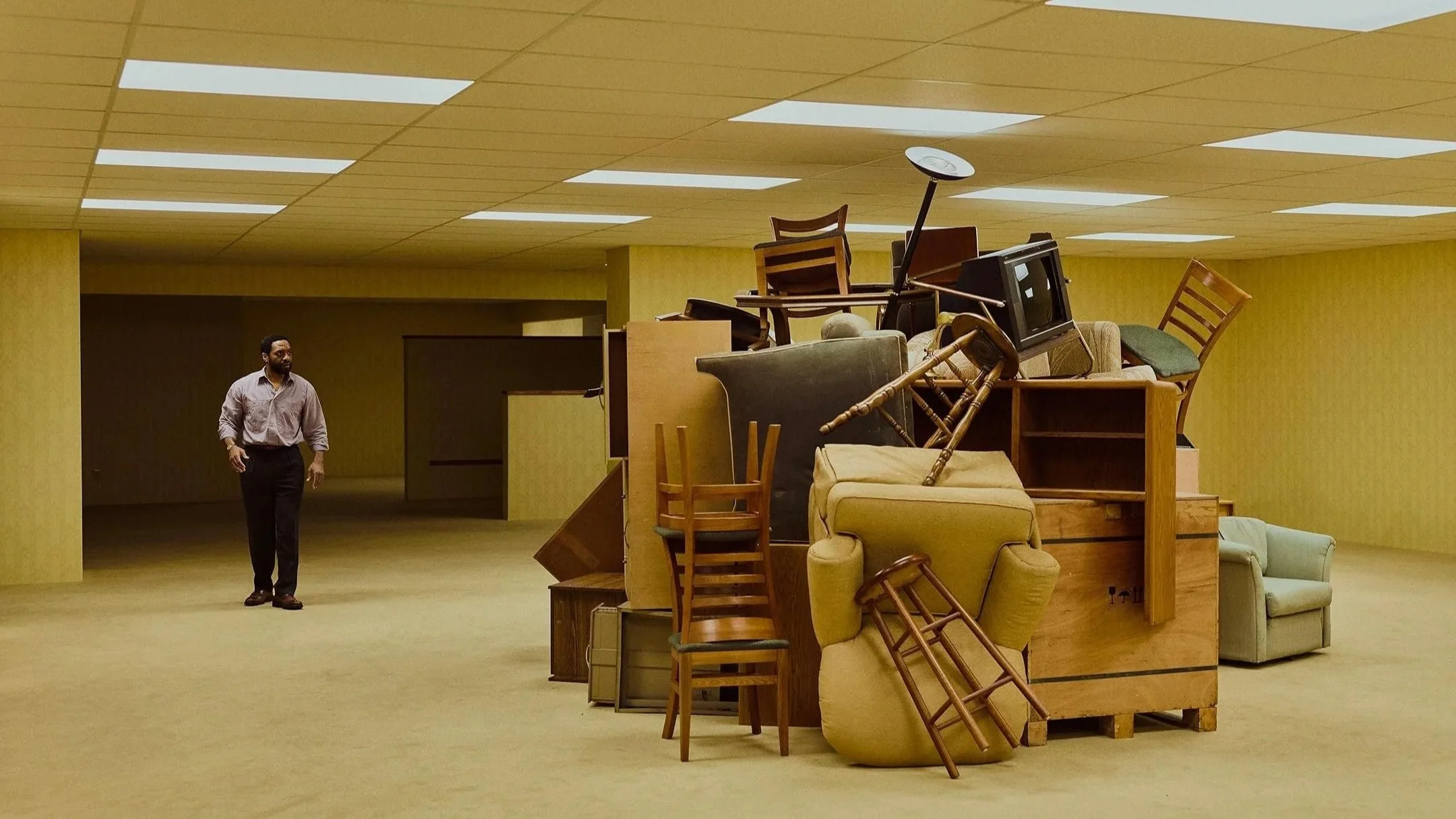
In Backrooms, Clark’s big dream is to be a successful architect, but his ambitions have led to failure, alcoholism, and the collapse of his long term relationship. Now he lives in the furniture store that he manages. When he discovers a portal to another world he takes a journey into a strange land. The journey (like Kurtz in Heart of Darkness) accelerates his mental decline.
The story takes place in 1990, in an analogue, pre-internet world. It uses the ‘liminal spaces’ YouTube meme, which is a kind of distorted parallel reality. This world is accessed through an invisible portal in a wall, in the basement of his furniture store.
What are the backrooms? The environment is a place of creepy surreal horror, a metaphor rather than a space for absolute science fiction. It’s more Alice’s Adventures in Wonderland than 2001. Visually, it’s part computer game glitch, part Freudian psycho-geography, and part abandoned space. There are echoes of the zone in Stalker and the area in Annihilation. ‘Found footage’ and effective sound design enhance the atmosphere.
What is the story? Clark’s nowhere life leads him to the discovery of the backrooms – a nowhere place. The backrooms are a classic nightmare experience, a labyrinth with a monster, or a haunted house with ghosts. This strange place is a test of his resilience and a visual metaphor for Clark’s mental disintegration or ‘miss-rememberings’.
The film picks up in the last twenty minutes with a mind blowing MC Escher moment and a monster that’s both frightening and comical. It’s a slow build story. The pace may alienate some people, but it pays off in the end.
Obsession
Be careful what you wish for.
With a reputed budget of $750,000, Obsession has already taken $374 million at the box office. 2026 has seen two films – Obsession and Backrooms – provide an antidote to mainstream Hollywood’s big budget superhero ‘IP’ movies. Years of Disco eventually produced the backlash of Punk. Could years of the special effects dominated superhero moviez produce a return to the low-budget indie flick? Maybe. Maybe not.
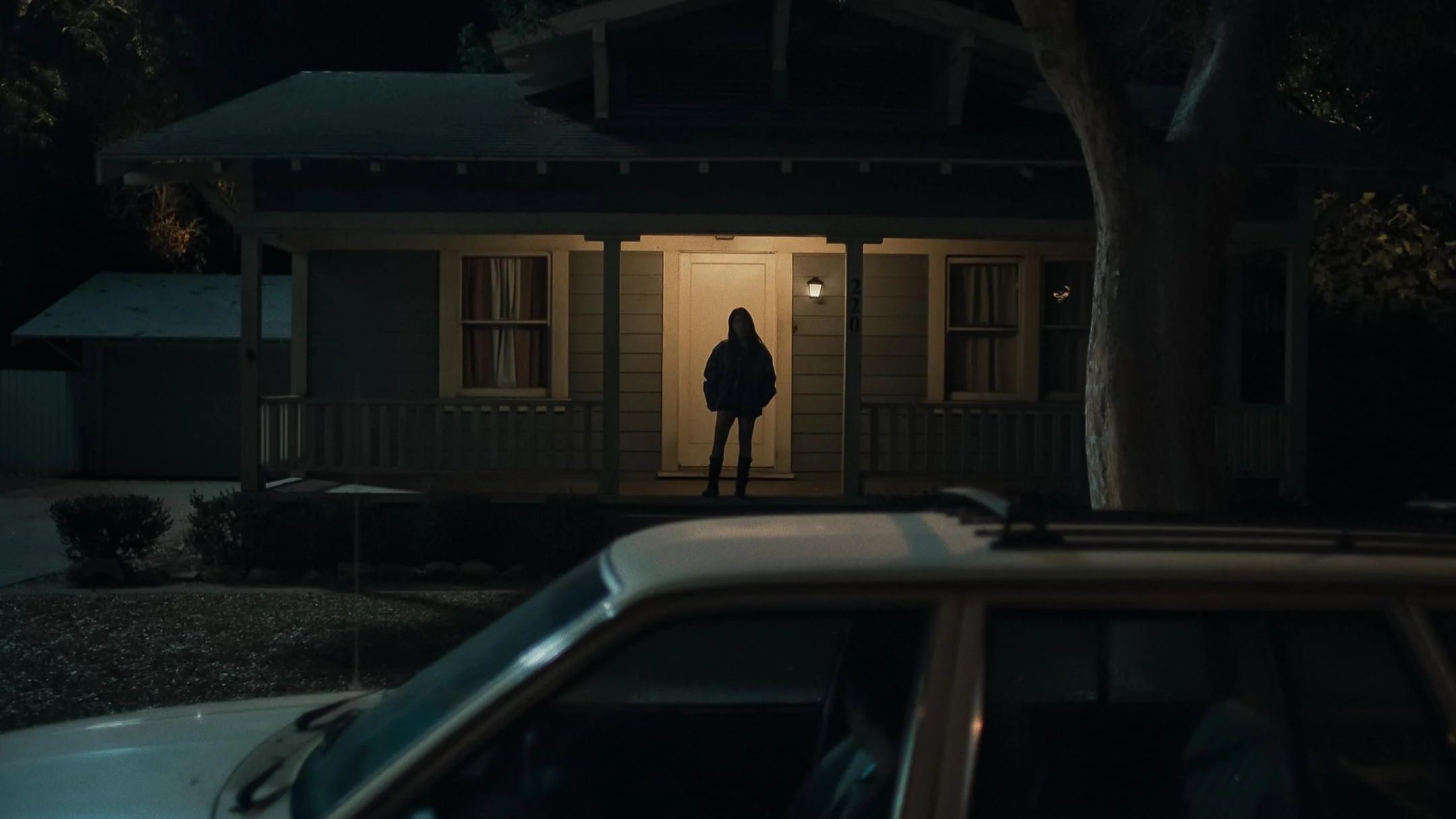
Obsession is a contemporary horror. It’s Eraserhead meets The Shining meets The Exorcist meets Midsommar with cringe-horror moments and the magical premise of Big. Stylistically it’s dark, literally a dark aesthetic of shadows and silhouettes often with a deep focus.
When the weak protagonist makes a wish for his crush to love him more than anyone else in the world, her love becomes extreme, toxic, and violent. She turns into a deranged psychopath. The moral of the story is clear – be careful what you wish for.
The film moves through a series of tonally different modes. Normality mode (indie movie romcom), creepy mode (psychological horror), and violent confrontation mode (shock horror). Each mode is spliced together with a deliberately jarring jump-cut. Each one also provides a heightening of the tension followed by a reset at the start of the next section – the protagonist forgives his girlfriend and they makeup. It’s a partial reversion to normality.
In the first of these mode switches, the protagonist goes from almost instant infatuation with his crush (indie movie romcom mode) to immediately backing off from her (psychological horror mode). This poses questions about believability, but every time you question the story, the pace pushes ahead, producing some genuinely scary, shock horror frights.
The Expansion Project
The workplace as a metaphor for life.
We’ve all been to The Expansion Project, an ordinary day in the office when you feel like you’re not really there. Maybe you aren’t?
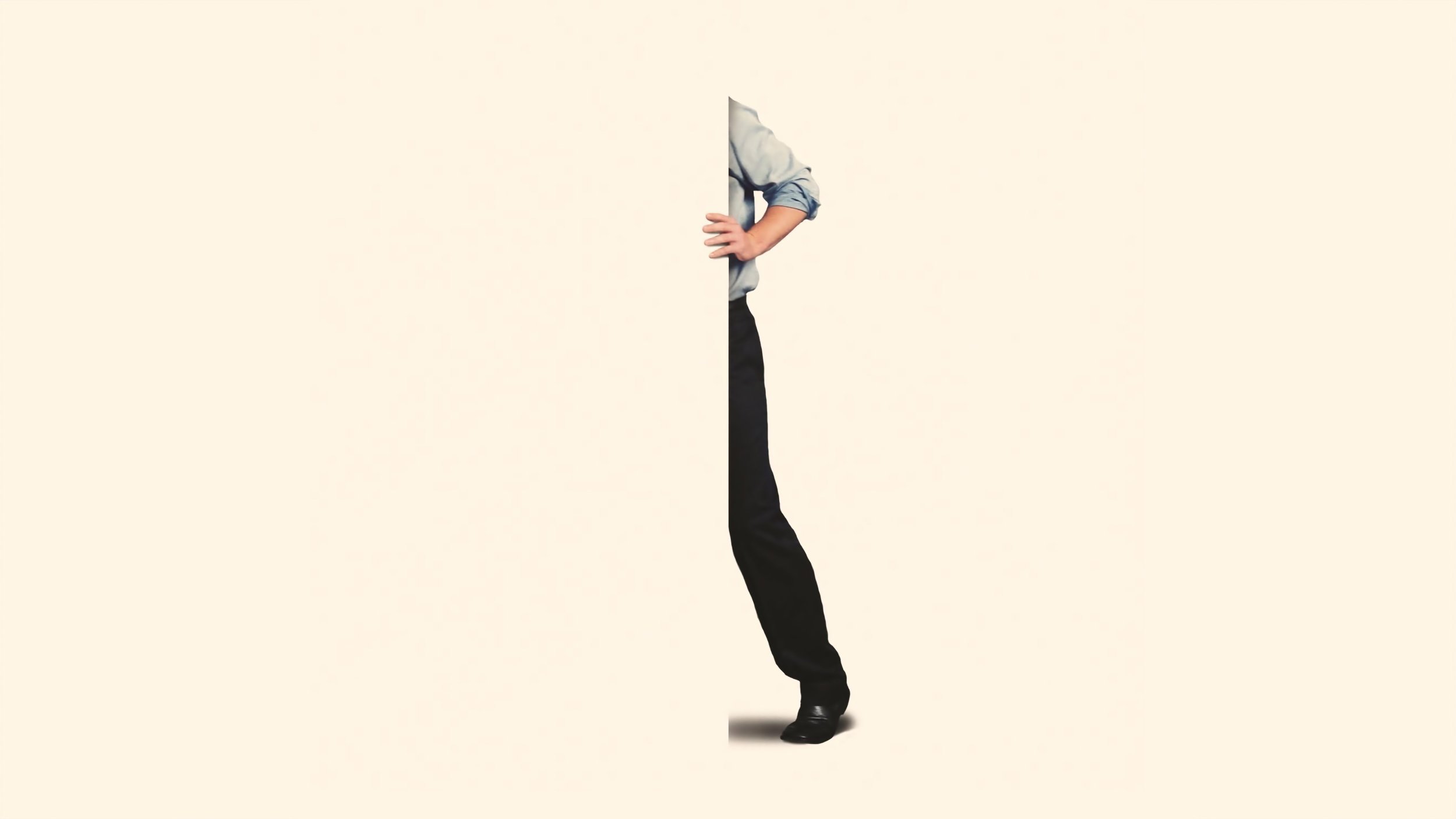
The Expansion Project is a literary science fiction novel by Ben Pester. It explores the unreality of the workplace as a metaphor for life. It’s David Graber’s Bullshit Jobs expressed in a work of fiction. The workplace as a simulation in a Philip K Dick novel. A liminal space in Backrooms or Exit 8. It’s the alien world of Annihilation. The ‘zone’ from Stalker. Whatever The Expansion Project is… it’s a bizarre and surreal place that’s been archived at some point in the distant future by an archivist who also isn’t ‘feeling it’.
There is no satisfying explanation telling us what it’s all about. This is literary science fiction, after all, not genre fiction. So, it’s the experience of the narrative and the language that is the destination rather than a story arc with a conclusion to the journey.
Literary science fiction seems to be having something of a renaissance. Much like the death of the Western genre spawned literary Westerns like Blood Meridian – the current stasis of the science fiction genre has seen the rise of literary science fiction novels like Klara and the Sun, Machines Like Me, The Second Sleep, and now The Expansion Project.

Exit 8
An endlessly looping subway corridor.
Genki Kawamura’s film Exit 8 (2025) is a psychological horror about a man who is stuck in an endlessly looping subway corridor. It’s David Lynch meets The Shining meets M C Escher. The film is based on the computer game The Exit 8.
Exit 8 is a so-called ‘liminal space’ horror. The sub-genre has become a meme in 2026 with the release Backrooms. A liminal space is a place that people pass through on their way to somewhere else. These are typically anonymous corridors in public areas. They operate as ‘portals’ into another reality. They are psychologically charged and present the protagonist with a surreal, labyrinth-like puzzle to escape from. They may be an ordinary place, transformed by time, an empty school during the summer vacation, a hotel in the off-season, or a closed down shopping mall. The atmosphere is one of claustrophobia and being locked in. The space symbolically expresses the protagonist’s mind, their memories, and inner trauma.
The liminal space has been around for a long time – the creepy swimming pool in Cat People (1942), the bombed city at night in The Third Man (1949), the zone in Stalker (1979), the empty streets of Vivarium (2019), the weird purgatory world of Last Year at Marienbad (1961), episodes of Black Mirror, The Twilight Zone, and Severance, computer games like Silent Hill (1999) and, perhaps most famously, the hotel corridors of Kubrick’s The Shining. These places all share the same surreal and uncanny psychogeography.
Exit 8 fuses multiple horror sub-genres, from surrealism, to the ‘locked in’ story and the repeated loop story structure of films like Groundhog Day (1993). It uses horror to expresses an experience of modern life – the doom loop of endless scrolling, the personal isolation of noise cancelling headphones – the anxiety of feeling disconnected from the world around us, and from ourselves.
Widow’s Bay
Unexplained monsters afflict a small community.
Widow’s Bay (Season 1) is a horror comedy set on the fictional New England island of Widow’s Bay. The show has similarities to Lost – it features people who are stuck on an island that appears to be a focus for supernatural forces beyond their control.
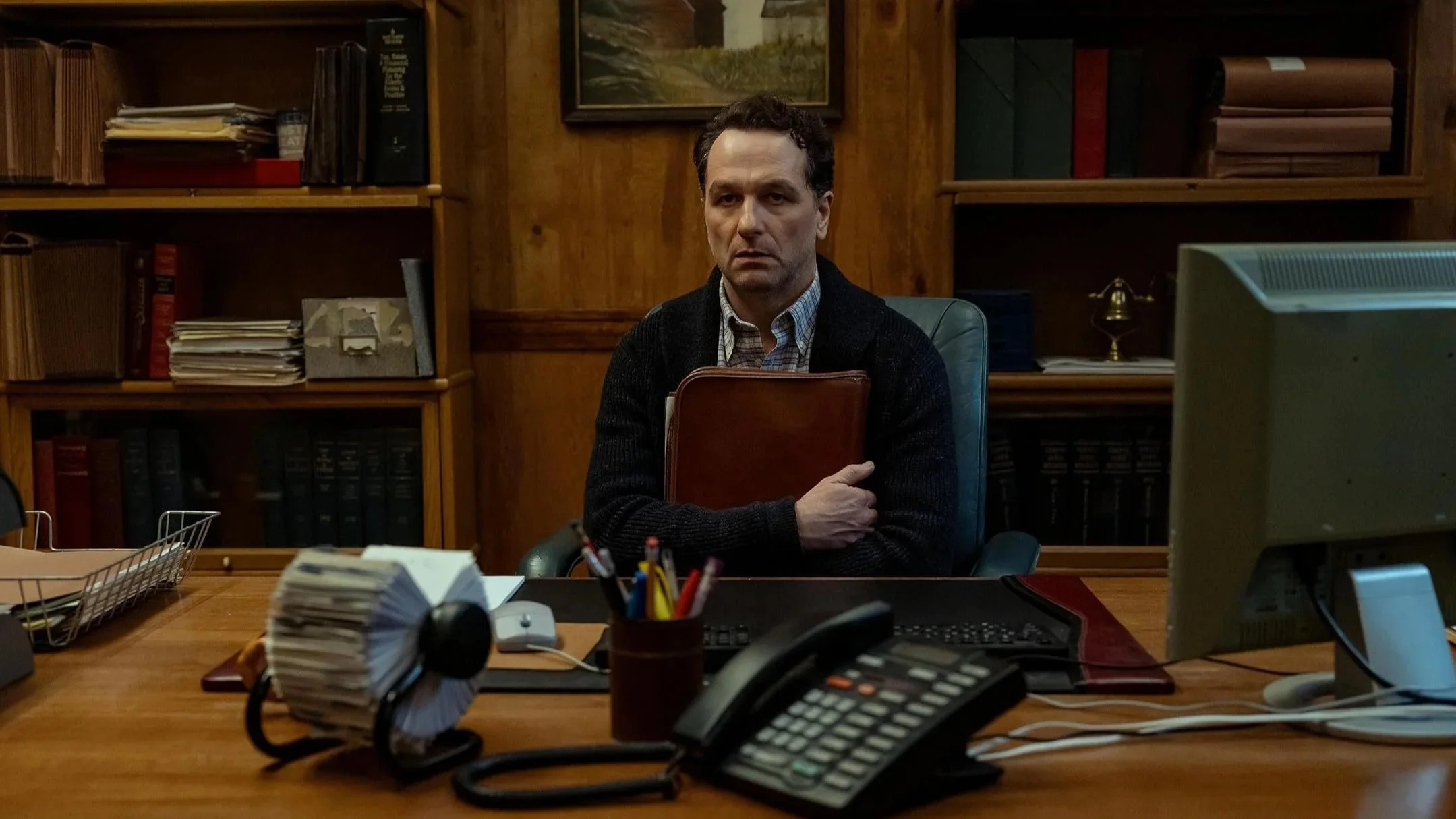
Matthew Rhys is well cast as the town’s mayor along Kate O’Flynn as his assistant. There is a charming quirkiness in the first four episodes where the comedy horror is played straight. The audience is unsure if the ‘dark forces’ are real or imagined. Then the story moves into more of a straight horror drama.
The production values, performances and writing has been excellent. The writer’s appear to have moved the dramatic climax forward, into episodes 5,6, 7, and 8, with episodes 9 and 10 settling back into something of an end of season lull.
There’s a lot going on in this season – a struggling mayor keeping the island’s tourist attractions open (very much like the mayor in Jaws), a visit to the island’s dark historical past, a Halloween meets It Follows chase episode, a variety of monsters and creepy apparitions, a drug experience episode, the theme of a father struggling to have a meaningful relationship with his son, and interactions of an eccentric group of unlikely buddies (a ‘band of heroes’) fighting for their friends and the island’s community.
It will be interesting to see where the writers take Widow’s Bay in Season 2. I can see it turning into a quirky soap opera meets Stranger Things for adults.
Audition
We are all actors and the world is a stage.
Audition is a novel by Katie Kitamura. It was shortlisted for the 2025 Booker Prize and it was a finalist for the 2026 Pulitzer Prize.
The story – written in first person, past tense – explores the narrator’s experience of being an actress, a wife, and a ‘mother’. The stage and thespian world are used as a backdrop to the explain the disconnected happenstance, the acted out ‘unreality’ of the real world. Stage craft is contextualised with people acting out their relationships.
At first, I was expecting more of a plotted drama, but then I realised that this is a literary fiction experience that’s primarily about nuance and the nature of existence. The story is framed through the woman’s encounter with a young man who claims to be her son – even though she knows that he’s lying. He inserts himself into her life in an act of ‘brood parasitism’, appearing like a cuckoos egg in a warbler’s nest.
The stranger as ‘kin’ scenario is a literary metaphor for the close distance of relationships, where people are intimate with one another and yet emotionally detached.