‘The End of Everything’
In The End of Everything, a novel by M. John Harrison, Phillip Tennent lives by the sea in an impoverished future Britain. He ekes out a living by scavenging washed up objects on the sea shore. New lifeforms have come to exist in the sea and communication with mainland Europe has broken down.
The specificity of genre science fiction or genre speculative fiction demands the setting up rules and the payoff with a satisfactory explanation. In literary science fiction and literary speculative fiction the story details are kept deliberately vague. The focus is not on the explanation, but the language and the experience of the characters.
The End of Everything is a work of literary speculative fiction, so this isn’t the place to look for clearcut explanations. Instead, The End of Everything exists in a dreamlike world of ‘magical realism’, and metaphor. It’s surreal and absurd. The lack of specificity brings mystery and atmosphere. It’s highly evocative. It creates resonance. It alludes to other things. In essence it becomes a ‘poetry novel’ that explores the emotional experience.
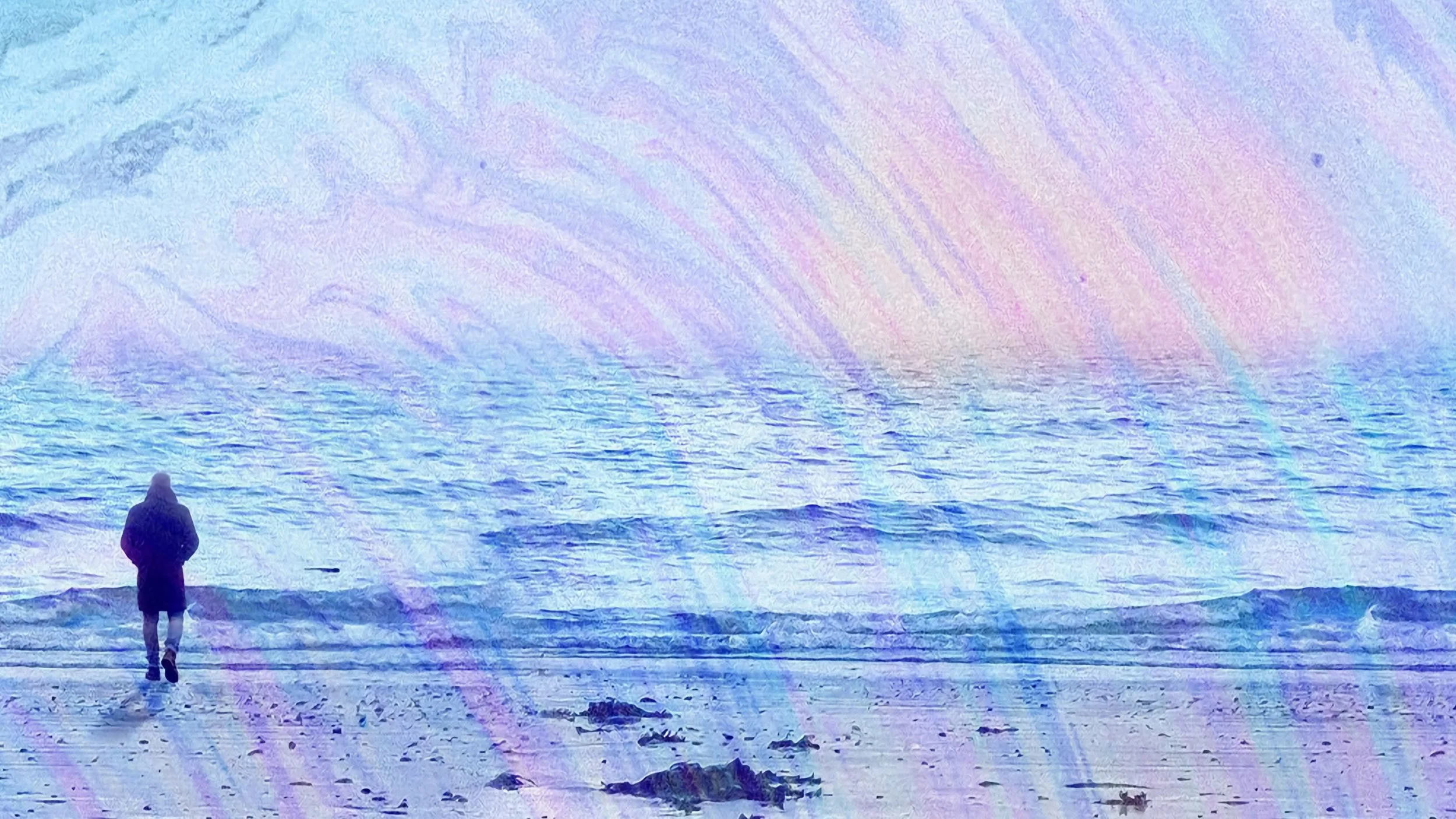
It is important to realise this, because it sets the parameters of the story and expectations about what it should deliver. If you read The End of Everything expecting genre science fiction you will be disappointed. If you go into it expecting literary fiction prose and atmosphere you will feel at home.
So, what is The End of Everything about?
In very general terms, like all art, it’s about life and our experience of it… or at least the protagonist, Phillip Tennent’s experience of it. We can take, or leave, what we like from that. The overwhelming feeling I had was one of mystery and unknowability. A kind of transubstantiation of things into a magical ‘something else’.
The lack of specificity and the simplicity of the stories allows the novels to work as cyphers, metaphors open to interpretation. Much like poetry. Robot (1973) by Adam Wisniewski-Snerg is another example of a ‘blurry’ poetry-like science fiction novel. The reader must embrace the blurriness as a feature of leave frustrated. Unlike Robot, The End of Everything feels more generous in the way it treats the reader, but it’s still ‘blurry’ and dreamlike.
The End of Everything has echoes of The Water-Babies (1863) by CharlesKingsley. It features a changeling water life like Kingsley’s water sprites. These water fairies are a form of angel, a metaphorical connection to a part of us that we cannot fathom. A mirror being to help us understand ourselves.
This is also a Brexit story, like The Wall (2019) by John Lanchester, which follows a similar speculative vagueness about its world. And Doggerland (2020) by Ben Smith. These three novels involve the sea, and the suggestion of a post-apocalyptic future. In this case, I think The End of Everything is a story about death and the afterlife – changing into something else. The Wall is about politics, migration and human dignity. Doggerland is about human endurance and the timeless instinct to survive.
As well as being a poetry novel this is also a twilight novel. It exists in a hazy dreamscape. It is also literally about human twilight, the changes of life, and whatever comes after.