Hokum
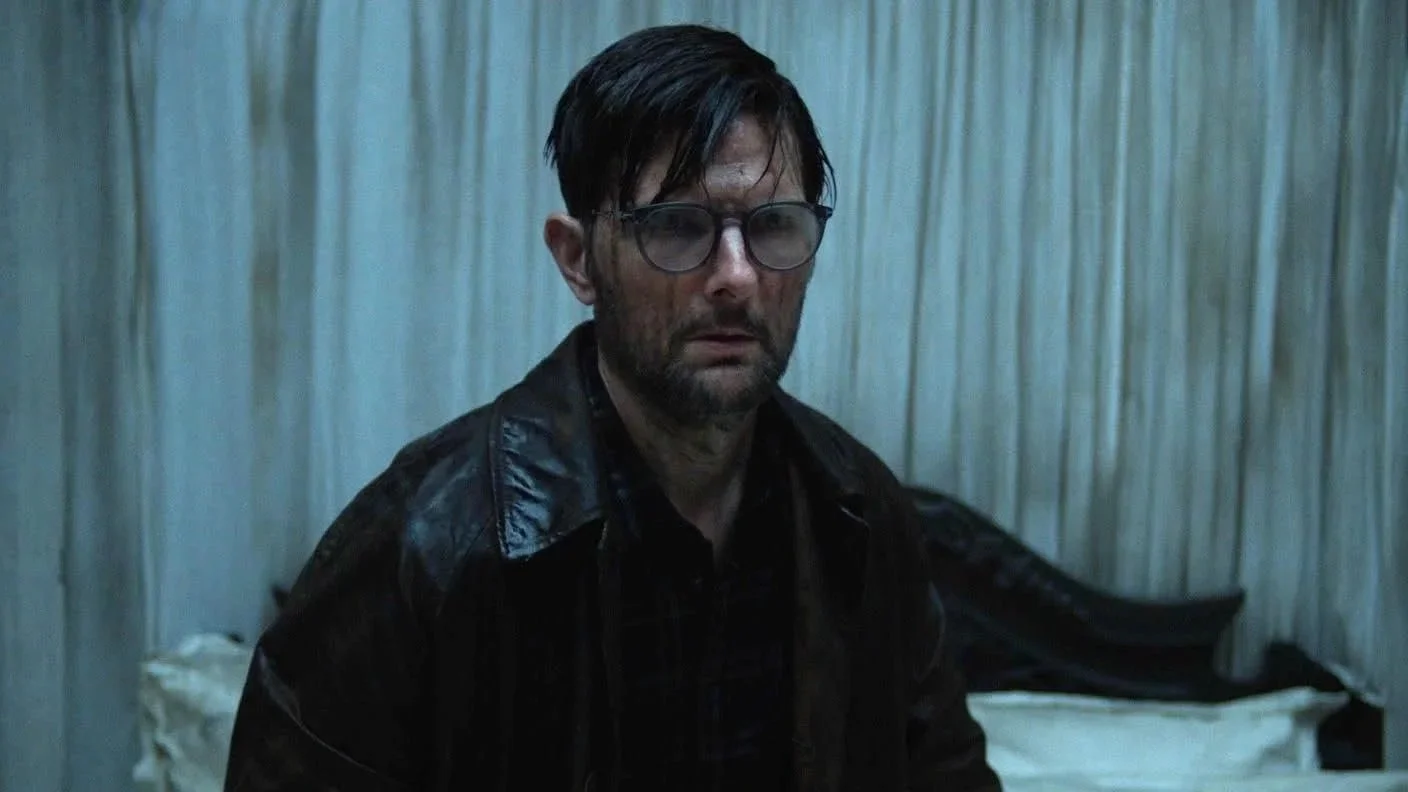
With a relatively small budget of $5 million, the film succeeds in not looking like a budget production.
I was expecting Hokum to be a straightforward night in a haunted house kind of story, but there’s more to it than that. As a horror film, it delivers on those creepy moments and jump shocks. But, it’s also a ‘psychological story’ – a protagonist coming to terms with a childhood trauma.
The ‘psychological story’ is one where objective reality blurs with a subjective experience, fear and paranoia. What is real and what’s in the protagonist’s mind? Sometimes, the truth is revealed. In other stories, the blur of uncertainly is never resolved.
The danger of a big reveal is that it can be a big disappointment. On the other hand, leaving it open and uncertain can feel ‘lazy’ and non-committal. If the writer can’t be bothered to resolve the story properly – why should we care?
Stories are about change. The protagonist must change in order to make the story satisfying. Without that shift, the resolution is less likely to grab us. It’s more likely to leave us unsatisfied. Hokum’s psychological focus keeps us guessing, but it comes at a price. What it gains in nuance it loses in the certainty that Ohm Bauman has convincingly changed.